Before You Fill Your PCP Airgun, Read This First
 Before You Fill Your PCP Airgun, Read This First
By Muhammad Ibrahim – Mardan Hunters
Most people think PCP airguns get damaged during hunting.
In my experience, many problems actually begin during filling.
After years of repairing, tuning, and testing PCP airguns, I’ve learned that a few minutes of care while filling can save you from expensive repairs and a lot of frustration.
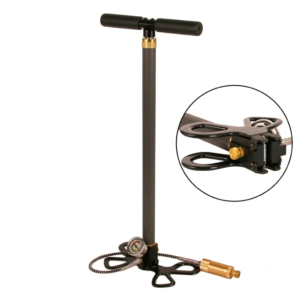
When customers ask me how they should fill their PCP, I usually recommend a hand pump for beginners. It is affordable, portable, and helps new users understand their airgun. As they gain experience, they can upgrade to an electric compressor. Scuba cylinders are another option, but reliable 300-bar filling services for PCP cylinders are still difficult to find in many parts of Pakistan.
The biggest mistake I see isn’t choosing the wrong filling method.
It’s filling the rifle with air that isn’t clean and dry.
By clean, dry air, I mean air that is free from dust and moisture. Moisture and dust can damage internal components, affect the regulator and valve, reduce accuracy, and shorten the life of the rifle. A proper moisture filter is far cheaper than repairing a damaged PCP.
Another mistake is rushing the filling process.
A PCP should always be filled slowly. Rapid filling creates unnecessary heat and can affect internal components, including the non-return valve. Taking an extra minute is much better than spending days waiting for repairs.
I also recommend stopping 10–20 bar below the maximum fill pressure. This reduces unnecessary stress on internal parts and provides a safety margin if the pressure gauge is not perfectly accurate.
I once had a customer bring in a Snowpeak PCP that had stopped firing. The rifle was designed for a maximum pressure of 250 bar, but it had been filled to 300 bar. The excessive pressure kept the valve closed, so the hammer could not release any air. After reducing the pressure to the correct level, the rifle worked perfectly again. It was a simple reminder that more pressure does not always mean better performance.
Safety is something I never compromise on.
I have personally seen a locally made air filter burst under pressure and another rifle fail because it had been fitted with an unsuitable locally manufactured high-pressure part. Since then, my workshop has strict safety rules. The filling area is clearly marked, and customers, friends, and visitors are not allowed near high-pressure equipment while PCP airguns or cylinders are being pressurised.
If there is one piece of advice I want every PCP owner to remember, it is this:
Never compromise quality over price, and never compromise safety for convenience.
Quality filling equipment, clean dust-free and moisture-free air, and a little patience will do more for the life of your PCP airgun than many people realise.
Mardan Hunters Expert Tip
Every time you fill your PCP airgun, you’re not just filling it with air—you’re investing in its future reliability. Fill it correctly, fill it safely, and your airgun will reward you with years of dependable performance.